An arc in anime is a connected part of the story that focuses on a specific conflict, goal, character journey, or event.
Instead of thinking of anime as only separate episodes, an arc helps group several episodes or scenes into one meaningful storyline. An anime arc usually has a beginning, development, climax, and resolution.
For example, one arc might focus on a hero training for a major battle. Another arc might focus on rescuing a friend, defeating a villain, entering a tournament, solving a mystery, or revealing a character’s past.
In simple words:
An anime arc is a section of the story where characters go through a specific challenge, change, or major event.
Quick Answer: What Does “Arc” Mean in Anime?
In anime, an “arc” means a story segment that follows a specific plotline.
An arc can last:
- a few episodes
- half a season
- an entire season
- several seasons
- a short scene sequence in a smaller story project
The purpose of an anime arc is to give the story structure. It helps the audience understand what is happening, what the characters want, what is at stake, and how the situation changes over time.
A good anime arc usually answers four questions:
- What is the main problem?
- Who is affected by it?
- What does the character need to do?
- How does the story change by the end?
Anime Arc vs Episode vs Season
Many people confuse an arc with an episode or a season. They are related, but they are not the same.
Episode
An episode is one single installment of an anime. It usually runs for a fixed length and may contain one or more small story events.
Season
A season is a production or release unit. It contains multiple episodes, but those episodes may include one arc or several arcs.
Arc
An arc is a story unit. It focuses on one connected storyline.
For example:
- Episode: one chapter of the anime
- Season: a collection of episodes
- Arc: a connected storyline inside those episodes
A season can contain multiple arcs. An arc can also stretch across multiple seasons.
Why Are Anime Arcs Important?
Anime arcs are important because they make stories easier to follow and more emotionally satisfying.
Without arcs, an anime can feel random. Events may happen, but they do not feel connected. Characters may appear, fight, and disappear without a clear reason.
A strong anime arc gives the story:
- direction
- tension
- emotional growth
- character development
- pacing
- a clear beginning and ending
- a stronger reason to keep watching
This is especially important for story-driven anime videos, manga-style shorts, webtoon adaptations, and short drama content.
Even if you are creating a short anime video for TikTok, YouTube Shorts, or Reels, thinking in arcs can make your story feel more complete.
Common Types of Anime Arcs
Anime arcs can take many forms. Here are some common types.
1. Training Arc
A training arc focuses on a character becoming stronger, learning new skills, or preparing for a difficult challenge.
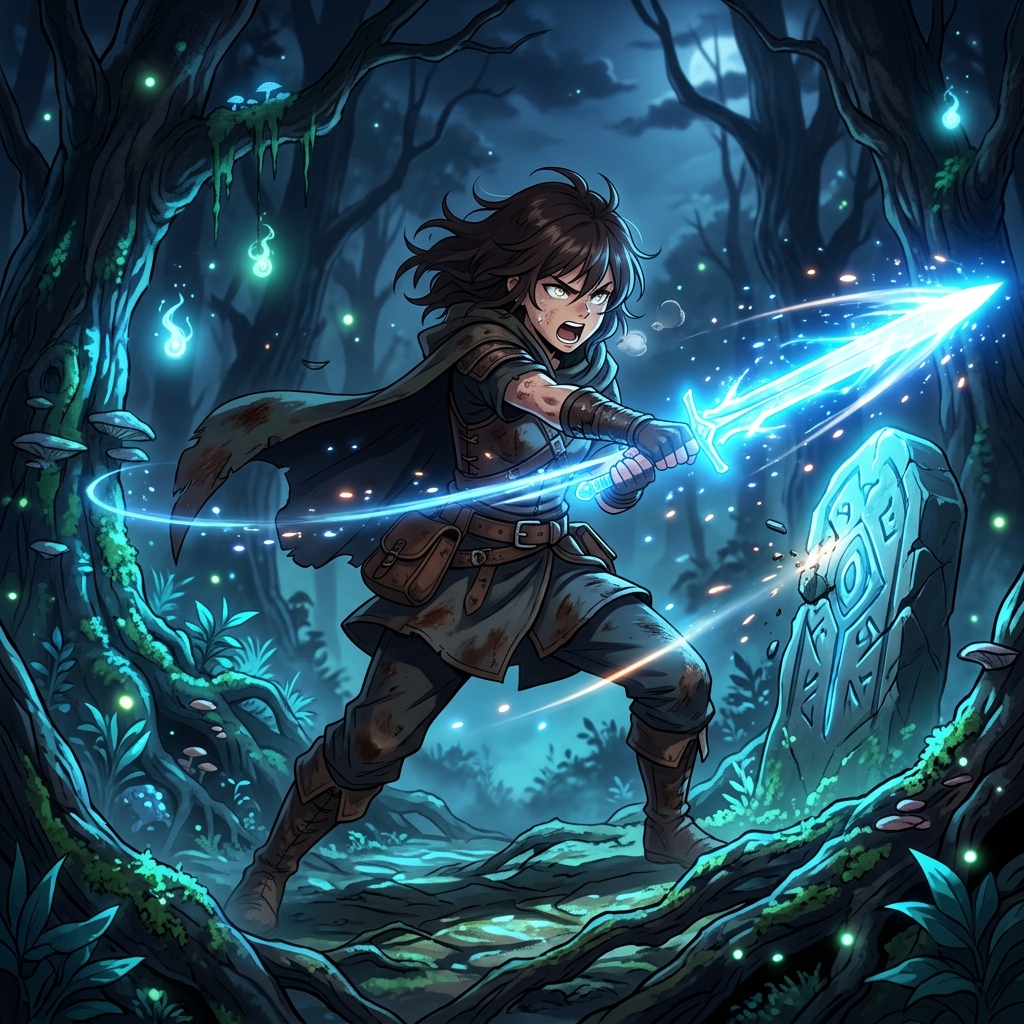 Figure 1: Training arcs are iconic in anime for showing visual and emotional growth.
This type of arc is common in action, fantasy, martial arts, and adventure anime.
Typical structure:
- The character faces a stronger enemy.
- The character realizes they are not ready.
- They train under pressure.
- They unlock a new skill or mindset.
- They return stronger.
Training arcs work well because they show visible growth.
2. Tournament Arc
A tournament arc focuses on competition. Characters enter a contest, ranking battle, sports event, or combat tournament.
Typical structure:
- The tournament is announced.
- Characters prepare.
- Matches become harder.
- Rivalries develop.
- The final battle reveals character growth.
Tournament arcs are popular because they create clear stakes and easy-to-follow progression.
3. Rescue Arc
A rescue arc focuses on saving someone from danger.
Typical structure:
- A character is captured or trapped.
- The main characters decide to rescue them.
- The rescue mission becomes more dangerous.
- Emotional conflict appears.
- The rescue succeeds or fails with consequences.
Rescue arcs work because they create urgency and emotional motivation.
4. Villain Arc
A villain arc focuses on the rise, reveal, or defeat of an antagonist.
Sometimes the villain becomes stronger. Sometimes the story reveals their past. Sometimes the arc focuses on the heroes discovering what the villain really wants.
Typical structure:
- The villain appears or becomes a threat.
- The heroes try to understand the danger.
- The villain’s goal becomes clear.
- The conflict escalates.
- The heroes confront the villain.
A strong villain arc can make an anime feel more dramatic and memorable.
5. Character Growth Arc
A character growth arc focuses on how a character changes emotionally.
This type of arc may not always involve big battles. It can focus on fear, guilt, friendship, ambition, love, responsibility, or self-discovery.
Typical structure:
- The character has a flaw or fear.
- The story creates pressure.
- The character makes mistakes.
- They face a difficult choice.
- They change by the end.
Character growth arcs are useful for drama, romance, school stories, mystery, and emotional anime shorts.
6. Mystery Arc
A mystery arc focuses on solving a question.
Typical structure:
- A strange event happens.
- Characters investigate.
- Clues appear.
- The truth becomes more dangerous.
- The mystery is revealed.
Mystery arcs are useful for suspense, horror, detective stories, supernatural stories, and short anime dramas.
7. Final Battle Arc
A final battle arc is usually the climax of a major storyline.
Typical structure:
- The final enemy or challenge appears.
- The heroes gather their strength.
- The conflict reaches its highest point.
- Characters make sacrifices or major choices.
- The story resolves.
This type of arc works best when earlier arcs have already built emotional stakes.
What Makes a Good Anime Arc?
A good anime arc is not just a collection of cool scenes. It needs structure.
Here are the most important elements.
1. A Clear Goal
The audience should understand what the character wants.
Examples:
- win the tournament
- rescue a friend
- survive the city
- defeat the villain
- discover the truth
- protect a secret
- escape from danger
Without a clear goal, the arc may feel confusing.
2. A Strong Conflict
Conflict is what makes the arc interesting.
The conflict can be external:
- an enemy
- a monster
- a tournament
- a war
- a mystery
- a dangerous world
It can also be internal:
- fear
- doubt
- guilt
- jealousy
- loneliness
- revenge
- lack of confidence
The best arcs often combine both.
3. Character Change
A strong arc usually changes the character.
The character may become:
- stronger
- wiser
- more honest
- more confident
- more responsible
- more dangerous
- more broken
- more determined
If nothing changes, the arc may feel flat.
4. Rising Stakes
An arc should become more intense over time.
At the beginning, the problem may seem small. As the arc develops, the danger or emotional pressure should grow.
For example:
- A strange noise becomes a ghost mystery.
- A small fight becomes a tournament rivalry.
- A missing person becomes a rescue mission.
- A simple mission becomes a battle against a powerful enemy.
Rising stakes keep the audience watching.
5. A Clear Payoff
The end of the arc should feel meaningful.
The payoff can be:
- a victory
- a loss
- a reveal
- a sacrifice
- a transformation
- a new mystery
- a new enemy
- a new emotional understanding
A good payoff makes the audience feel that the arc mattered.
How to Create Your Own Anime Arc
If you want to create your own anime-style story, you can start with a simple arc structure.
Here is a practical framework.
Step 1: Start with One Story Idea
Begin with a simple idea.
Examples:
- A lonely boy survives in a ruined future city.
- A student hears a voice calling his name every night.
- A cyber samurai returns to a neon city for revenge.
- A girl discovers that her school is hiding a supernatural secret.
- A young creator finds an old sketchbook that predicts the future.
Do not start too big. One clear idea is enough.
Step 2: Define the Main Character
Ask:
- Who is the main character?
- What do they want?
- What are they afraid of?
- What makes them interesting?
- What needs to change about them?
A story arc becomes stronger when the character has a personal reason to move forward.
Step 3: Define the Conflict
Ask:
- What problem appears?
- Who or what blocks the character?
- What happens if the character fails?
- Why does this problem matter now?
The conflict gives the arc energy.
Step 4: Break the Arc into Scenes
A simple short anime arc can use 5 scenes:
- Setup: introduce the world and character
- Problem: something goes wrong
- Escalation: the danger becomes bigger
- Climax: the character faces the main challenge
- Ending: the arc resolves or opens a new mystery
This structure works for both long anime stories and short drama videos.
Step 5: Turn Scenes into Visual Moments
Anime arcs are visual. Each scene should have a strong image or moment.
For example:
- a ruined city at sunrise
- a mysterious girl running from machines
- a close-up of a glowing eye
- a broken sword on the ground
- a final door opening in silence
These moments can later become storyboards, character images, or video scenes.
Example: Turning an Anime Arc into a Short Drama
Here is a simple example.
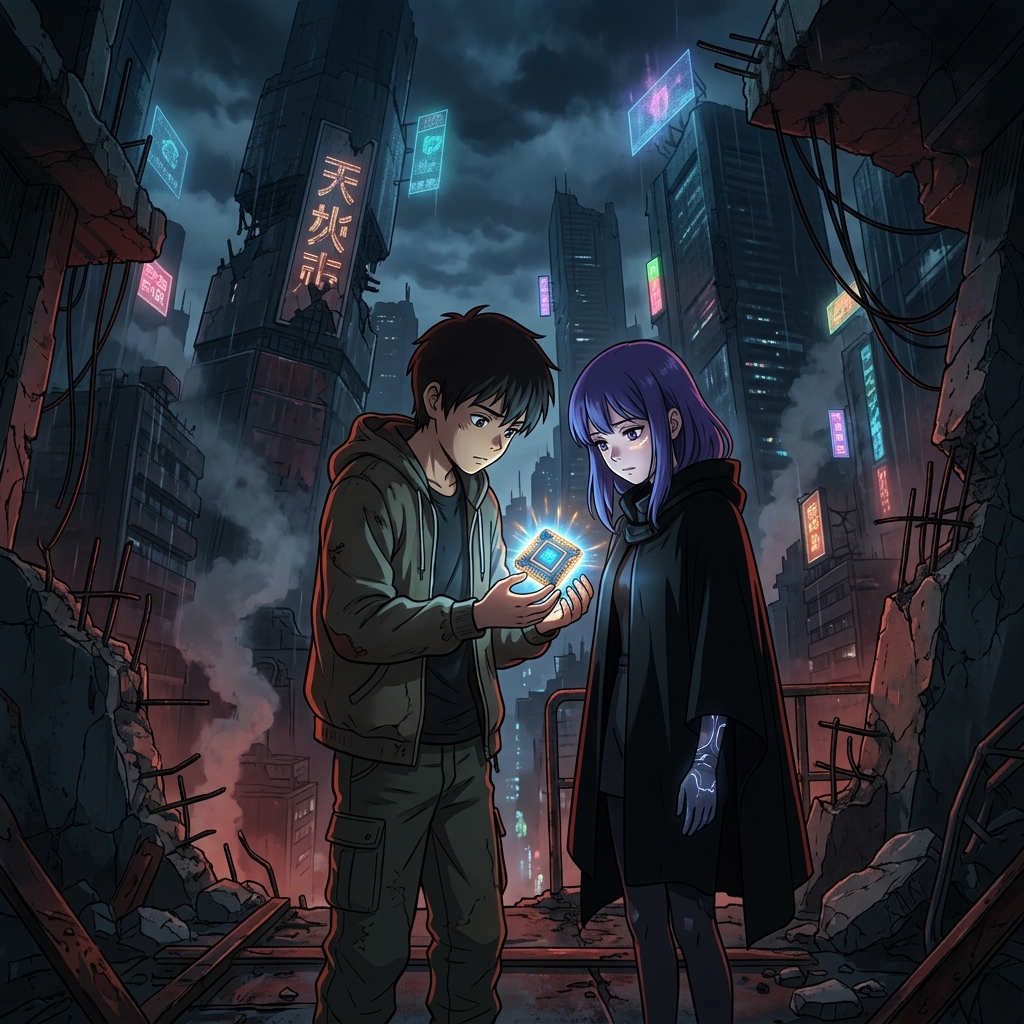 Figure 2: A simple arc with a compelling setup can easily be transformed into a visually striking short drama.
Story Idea
A lonely boy survives in a ruined future city and discovers a mysterious girl chased by machines.
Main Character
A quiet survivor who avoids people because he lost his family.
Conflict
A mysterious girl appears, and dangerous machines start hunting both of them.
Arc Structure
- The boy searches for supplies in an abandoned city.
- He sees a girl being chased by machines.
- He saves her, but she refuses to explain who she is.
- The machines surround them in a broken train station.
- The girl reveals she carries a memory chip that could restart human civilization.
Why This Works
This short arc has:
- a clear main character
- a strong conflict
- visual scenes
- emotional tension
- a mystery
- a reason to continue the story
This is the kind of structure that can become an anime short drama.
How AnimeArc Helps Create Anime Arcs
Understanding anime arcs is useful if you want to create your own anime-style stories.
But turning an idea into a full visual workflow can take time. You need to write the script, design characters, plan storyboards, and generate scene videos.
AnimeArc is built around this workflow.
With AnimeArc, creators can start from one anime story idea and turn it into:
- a short drama script
- anime character concepts
- storyboard scenes
- connected anime-style video scenes
Instead of generating random AI clips, AnimeArc focuses on story-driven anime creation.
The workflow is simple:
Story Idea → Script → Characters → Storyboard → Anime Scene VideosThis makes it useful for creators making anime-style content for TikTok, YouTube Shorts, Reels, and AI video projects.
Final Thoughts
An arc in anime is a connected storyline that gives the story structure, emotion, and direction.
It helps the audience understand what the characters want, what conflict they face, and how the story changes over time.
If you want to create your own anime story, start with one clear arc. Define the character, conflict, scenes, and emotional payoff. Once the arc is clear, it becomes much easier to turn the idea into scripts, storyboards, and anime-style video scenes.
Create Your Own Anime Arc with AnimeArc
Want to turn your anime arc idea into a short drama workflow?
AnimeArc helps you turn one anime story idea into scripts, characters, storyboards, and connected anime scene videos.
Want to turn your anime story idea into a short drama workflow?
Submit your story idea with AnimeArc.
Submit My Story Idea