AI Anime Character Generator for Original Anime Drama Stories
If you're an indie creator, storyboard artist, or light novel writer, you know that keeping your protagonists consistent across hundreds of storyboard frames is an absolute nightmare. That's why using a dedicated AI Anime Character Generator for Original Anime Drama Stories has become a game-changer for digital storytellers and web novelists alike. Instead of drawing every frame from scratch or dealing with inconsistent generators that mutate your hero's hair, face, and clothing in every panel, modern creators are turning to specialized tools to lock in their characters' visual assets from day one.
In this comprehensive guide, we will break down how to design characters that leap off the screen, maintain complete visual consistency, and build high-converting anime dramas using the latest generative technologies.
Character Explanation: The Core of Anime Storytelling
At its heart, any memorable anime is defined by its characters. A character is not just a collection of cool outfits and flashy powers; they are the emotional anchor of your narrative. When we talk about utilizing an AI Anime Character Generator for Original Anime Drama Stories, we are looking at a system that doesn't just create random aesthetic avatars. We need a tool that can translate a textual script outline into distinct, recognizable visual genes.
These "visual genes" include facial features, hair structure, eye color gradients, signature clothing patterns, and recurring accessories. In traditional anime production, character sheets are painstakingly drawn from multiple angles to keep animators on model. When creating AI-powered manga dramas, your prompt structure acts as this digital character sheet. Locking these features ensures that when your protagonist goes from a quiet school library to a high-energy magic duel, they look like the same person, maintaining the audience's suspension of disbelief.
Why You Need an AI Anime Character Generator for Original Anime Drama Stories
Using a generic image generator will quickly lead to frustration. If you try to generate a series of frames, you'll find that one frame features your hero with short messy hair, and the next frame gives them a neat undercut.
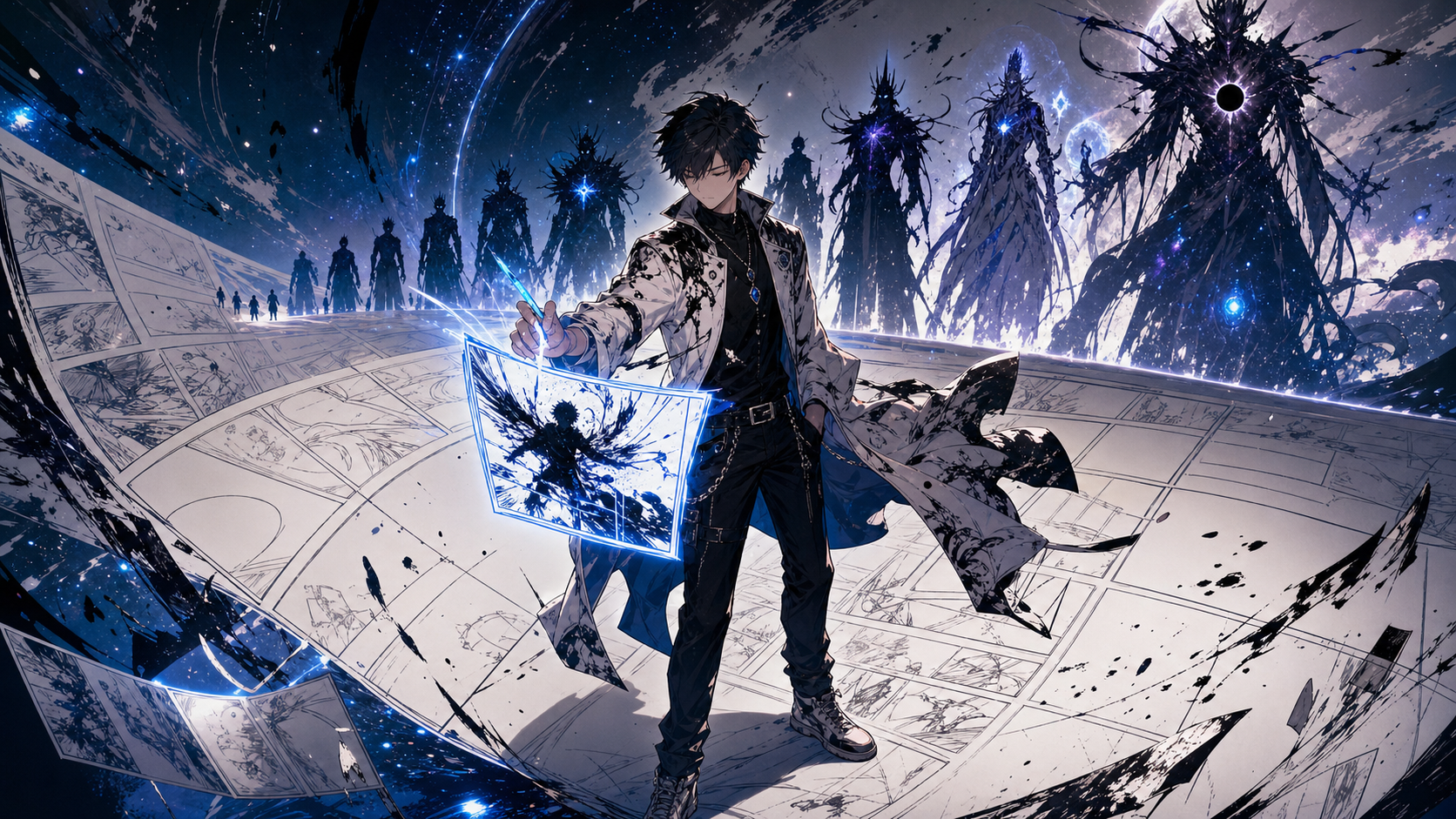 Figure 1: Setting up initial character templates on AnimeArc's editor, defining core physical genes and clothing rules.
By implementing a specialized AI Anime Character Generator for Original Anime Drama Stories, you unlock features like:
- Seed and Gene Locking: Ensuring specific facial coordinates and hair textures carry over from scene to scene.
- Style Continuity: Keeping the render style (e.g., retro cel-shaded, modern 3D, or detailed shonen manga) identical across your entire release.
- Effortless Storyboarding: Merging your locked character models directly into diverse backgrounds without resetting their character traits.
If you are serious about publishing your work on platforms like TikTok or YouTube, you need to maintain this high bar of visual polish. Check out our SEO Guide on How to Publish AI Manga Chapters to learn how to optimize your release structure and capture early platform traffic.
The Character Settings Breakdown
To get the most out of an anime generator, you need to break down your character settings into three distinct layers:
- Physical Genes: These are permanent features. Hair style (e.g., spiky silver hair, twin tails), eye shape, height, and distinguishing marks like scars or tattoos.
- Wardrobe System: Your character should have a standard outfit (their "hero costume") and situational variations (casual wear, school uniform, armor) that share a unified color palette.
- Expression Profiles: Dynamic dramas require emotion. You need to define how your character looks when they are angry, terrified, determined, or smug.
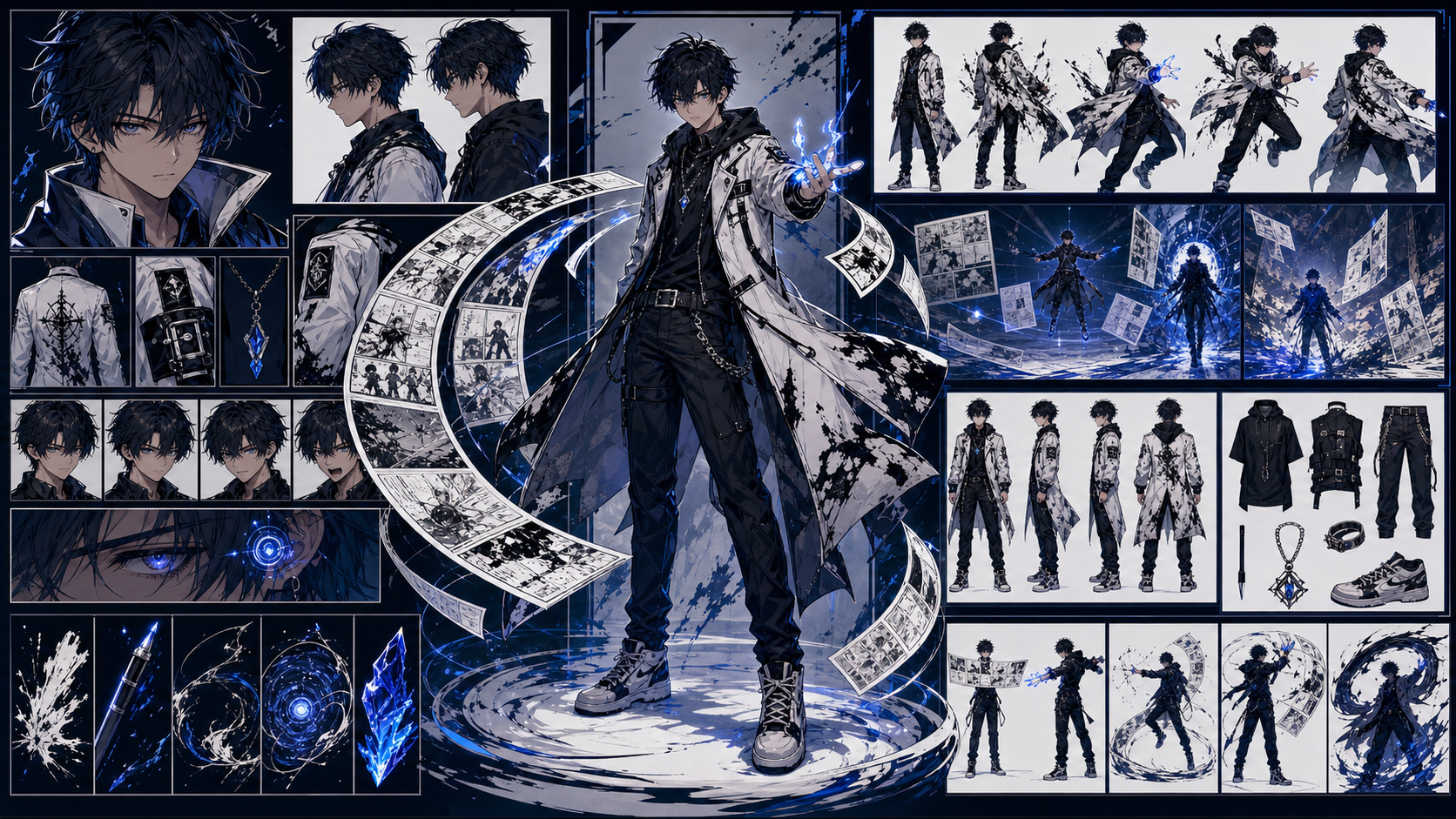 Figure 2: Custom wardrobe and style templates mapped across different storyboard environments.
Storyboard and Narrative Value
How does a solid character design translate to narrative success? In manga and anime dramas, the visual styling dictates the pacing. A well-designed character instantly communicates their personality, reducing the need for heavy exposition. For example, a character with drooping shoulders, dark circles under their eyes, and a slightly oversized hoodie immediately tells the viewer they are an exhausted coder or a reluctant magic user.
When you place this character into a high-stakes scenario, the contrast between their design and their circumstances creates instant tension. Using tools like Urban Dragon King Manga Drama Storyboard Guide as a reference, you can see how pairing specific character designs with tight, cinematic camera angles maximizes the dramatic impact of every frame.
5 Original Character Ideas
To kickstart your next project, here are 5 original character concepts designed specifically to take advantage of AI image generation systems:
1. Zephyr, the Chrono-Thief
- Visual Description: Sleek dark navy jacket, glowing blue brass-rimmed goggles resting on his forehead, messy silver hair, and a pocket watch hanging from a glowing azure chain.
- Narrative Arc: A pickpocket from a steampunk metropolis who accidentally steals an artifact that lets him rewind time by exactly five seconds.
- AI Prompt Motif:
young male thief, silver hair, glowing blue goggles, steampunk aesthetic, leather jacket, holding glowing golden pocket watch, dynamic lighting
2. Lyra of the Iron Forest
- Visual Description: Emerald green hair tied in a messy braid, light battle-worn iron shoulder guards, a dark green cloak, and piercing hazel eyes.
- Narrative Arc: A guardian of a forest where the trees are made of living metal. She must journey to the human realm to find a cure for the rusting rot affecting her homeland.
- AI Prompt Motif:
warrior girl, green braided hair, iron armor, dark forest background, mossy rocks, holding ancient dagger, cinematic lighting
3. Baron Vane, the Rust Alchemist
- Visual Description: Middle-aged man with sharp features, neat black hair with graying temples, circular copper spectacles, and a mechanical brass arm.
- Narrative Arc: An outlaw scholar who can manipulate oxidization, turning enemy weapons and armor to rust with a single touch.
- AI Prompt Motif:
mature male alchemist, copper spectacles, mechanical brass arm, dusty workshop, glowing potions, dark fantasy style
4. Nova, the Nebula Weaver
- Visual Description: Long flowing violet hair that seems to drift like stardust, sparkling deep purple eyes, and a flowing gown made of cosmic patterns.
- Narrative Arc: A celestial maiden who compiles the history of the universe by weaving constellations. When a star goes dark, she must venture down to investigate.
- AI Prompt Motif:
cosmic girl, long violet hair, stardust effect, glowing purple eyes, starry night background, nebulae, elegant pose
5. Sensei Kuro, the Glitch Monk
- Visual Description: Cybernetic priest with a half-masked face, wearing clean white monk robes with neon green circuit board prints running down the sleeves.
- Narrative Arc: A spiritual leader in a digital cyberspace matrix who defends human consciousness from rogue system deletion programs.
- AI Prompt Motif:
cyber monk, half mask, white robes, neon green circuits, digital matrix background, holographic HUD interfaces
Prompting Tips and Tricks
When using an AI Anime Character Generator for Original Anime Drama Stories, prompt structure is everything. To keep your characters on model, follow these three rules:
- Prioritize the Subject: Put the most important character features at the very beginning of the prompt.
- Use Style Modifiers: Consistently append style tags like
anime cel shading, crisp line art, detailed vector illustrationto maintain drawing styles. - Incorporate Negative Prompts: Use negative prompts like
3d render, realistic, photorealistic, deformed hands, blurryto filter out styles that break your 2D aesthetic.
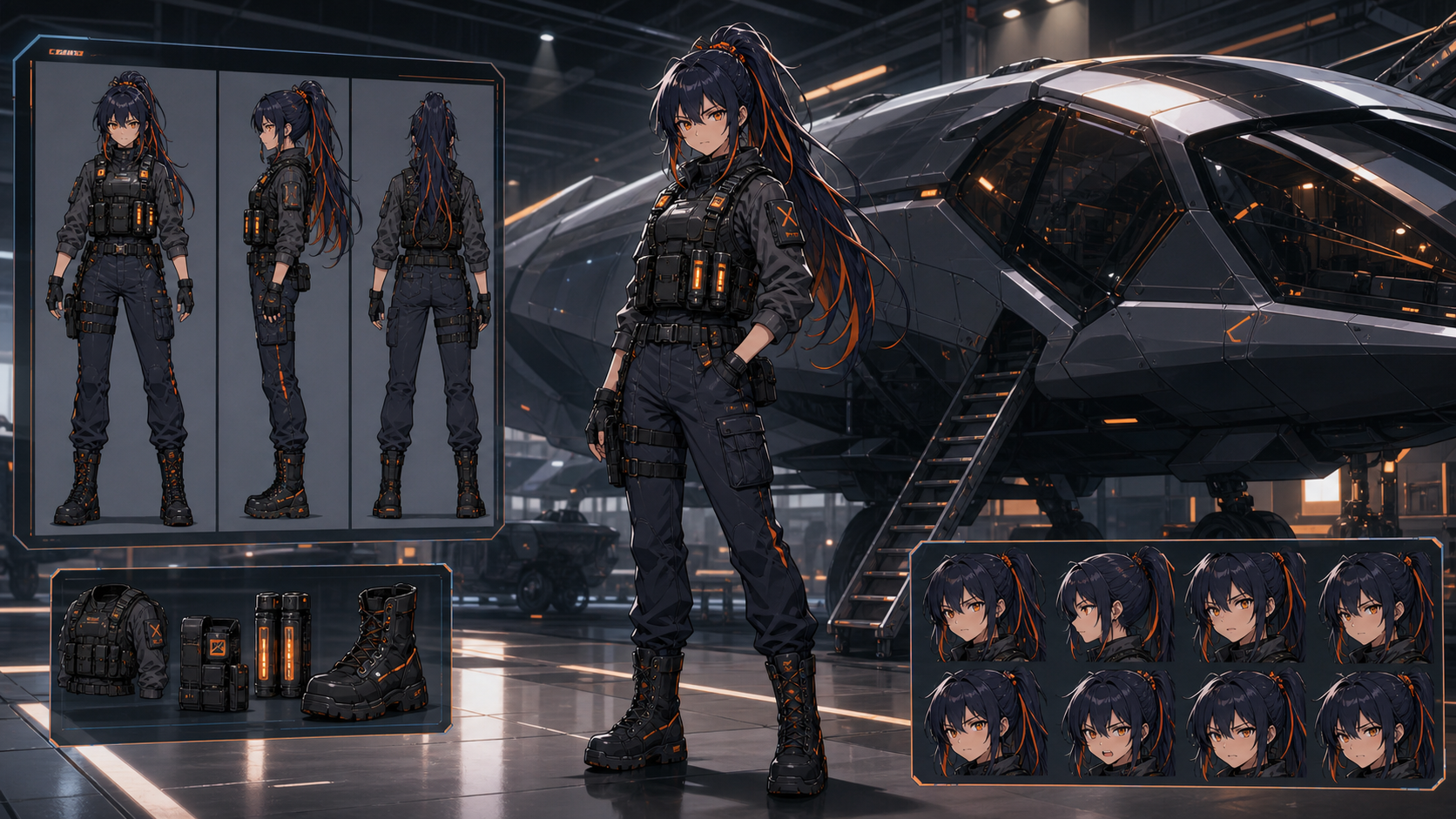 Figure 3: Consistent facial expression generation sheets generated to ensure dramatic range.
For a deeper dive into genres and aesthetic modifiers, consult our comprehensive resource on Top 10 AI Manga Drama Genres Creation Guide to find the perfect style match for your narrative.
Step-by-Step: Utilizing an AI Anime Character Generator for Original Anime Drama Stories
Creating your first series doesn't have to be daunting. Here is the streamlined workflow:
Step 1: Draft the Outline
Write out your script beats. Focus on character actions and emotional beats. You can reference our tutorial on How to Create a Viral Fantasy Cultivation AI Manga Drama to see how script outlines are structured.
Step 2: Establish the Character Sheet
Input your character description into the editor. Adjust the settings until you get the perfect look, then lock the visual seed.
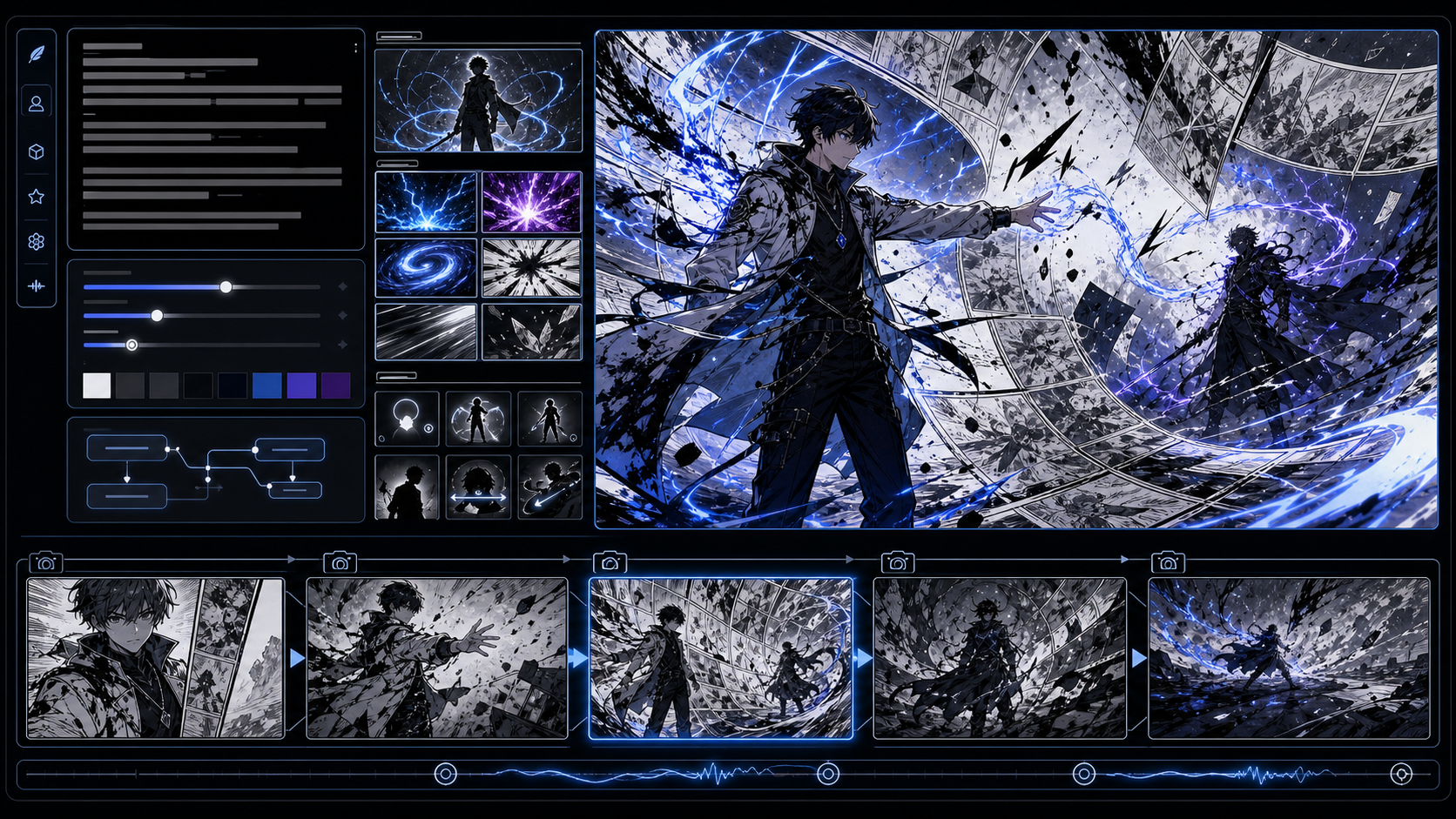 Figure 4: The final rendered frame showing the protagonist fully integrated with the background.
Step 3: Render and Assemble
Generate your scene backgrounds, place your characters, and export the storyboard frames.
Get Started with AnimeArc
Ready to transform your light novel or script into a high-quality visual drama?
- Create Your Anime Characters on AnimeArc Now - Design your heroes and villains with our easy-to-use editor.
- Start Crafting Your Project Outline on AnimeArc - Build scene-by-scene storyboards with locked character seeds.
- Check AnimeArc Pricing Options - Unlock high-resolution exports and professional rendering styles to scale your production.
Want to turn your anime story idea into a short drama workflow?
Submit your story idea with AnimeArc.
Submit My Story Idea